Open MenuHide Menu
UT Southwestern
  • Why Work Here
    • Military & Veterans
    • Culture & Values
  • Locations
    • Life in Dallas
  • Departments
    • Advanced Practice Providers
      • Adult
      • Pediatrics
    • Allied Health
    • Faculty
    • Imaging Services
    • Information Technology
    • Nursing
    • Pharmacy
    • Professional Services
    • Research
    • Residencies & Fellowships
  • Benefits
  • Job Search
  • Join Talent Community
  • Log In
    • Talent Community Sign In
    • Current Employees
    • Previous Applicants
Begin typing to find suggestions.
Start typing a location to get suggestions, then press the down arrow to select one.*Please select location from the dropdown

Residency & Fellowship Opportunities
at UT Southwestern Medical Center

As a premier academic medical center and Magnet ® designated organization, we are proud to offer four programs for aspiring nurses and medical professionals: Nurse Residency, RN Fellowship, Patient Care Technician (PCT) Residency and Mental Health Technician (MHT) Residency. UT Southwestern Medical Center is the place to develop your career, gain invaluable training and experience, and work alongside some of the most highly recognized and respected teams. We offer cohorts three times per year: spring, summer, and fall.

If you’re an advanced practice provider looking for fellowship opportunities, please visit our APP page for more information.

Magnet recognized American Nurses Credentialing Center

Cohort Start & Application Dates

Nurse Residency Program

  • List Title 11

    Cohort starts:

    July 13, 2026
    Application dates:
    Jan. 26 – Feb. 6, 2026

  • List Title 11

    Cohort starts:

    Oct. 5, 2026
    Application dates:
    May 11 – 22, 2026

RN Fellowship Program

  • List Title 11

    Cohort starts:

    July 13, 2026
    Application dates:
    April 13 – 24, 2026

  • List Title 11

    Cohort starts:

    Oct. 5, 2026
    Application dates:
    July 13 – 24, 2026

Patient Care Technician (PCT) Residency

  • List Title 11

    Cohort starts:

    June 8, 2026
    Application dates:
    March 2 – 13, 2026

  • List Title 11

    Cohort starts:

    Sep. 21, 2026
    Application dates:
    July 6 – 17, 2026

Mental Health Technician Residency

  • List Title 11

    Cohort starts:

    Jan. 5, 2026
    Application dates:
    Oct. 20 – 31, 2025

  • List Title 11

    Cohort starts:

    June 1, 2026
    Application dates:
    Feb. 23 – March 6, 2026

Nurse Residency Program

Nurse Residency Program

Who it’s for

The Nurse Residency Program is open to B.S.N. graduates, as well as experienced B.S.N. RNs who will have fewer than 12 months of RN experience at the start of the program.

What it is

The UT Southwestern Medical Center Nurse Residency Program is accredited by the American Nurses Credentialing Center (ANCC). ANCC’s credentialing programs certify and recognize health care organizations that promote nursing excellence and high-quality patient outcomes while providing safe, positive work environments. The ANCC Practice Transition Accreditation Program® (PTAP) framework aims to improve structures and processes by creating robust, comprehensive education initiatives for nurses transitioning into and within the profession.

The ANCC PTAP conceptual model is based on nursing theorist and educator Patricia Benner’s novice-to-expert framework.

The Nurse Residency Program is a paid, fast-paced one-year program that provides you, a recent graduate, the opportunity for professional growth and increased self-confidence as you transition from being a student into your first patient-care role as an RN.


What you need to apply

  • A minimum of a bachelor’s degree from an ACEN-or CCNE-accredited/state-approved program
  • A passing grade on the NCLEX and a current Texas (or Texas Board of Nurse Examiners Compact State) RN license posted on the Texas Board of Nursing website
  • A current Basic Life Support (BLS) certification by the American Heart Association or the American Red Cross
  • A resume
  • A school transcript (with a minimum 3.0 GPA)

Workplace Settings

  • Acute Medical Care
  • Acute Surgical Care
  • Ambulatory
  • Critical Care
  • Emergency Department
  • Oncology Nursing
  • Prep/Recovery
  • Progressive Care
  • Psychiatric Nursing
  • Rehabilitation Nursing
  • Surgical Services OR
  • Surgical Services PACU
  • Women’s Services
  • Acute Medical Care
  • Acute Surgical Care
  • Emergency Department
  • Intensive Care
  • Oncology Nursing
  • Prep/Recovery
  • Progressive Care
  • Psychiatric Nursing
  • Rehabilitation Nursing
  • Surgical Services OR & PACU
  • Women’s Services

FAQs

When can I apply for a Nurse Residency Program position?

The open application periods for our UTSW Nurse Residency Program are as follows:

  • December Graduates: The application will open in September, with the cohort starting in February.
  • May Graduates: The application will open in January, with the cohort starting in July.
  • August Graduates: The application will open in May, with the cohort starting in October.

How do I apply to the Nurse Residency Program if I am an external candidate?

  • You must apply during the open application acceptance time frame.
  • Use the Job Search on this page to find and apply for the UTSW Nurse Residency position. This position will only be listed during the open application time frame.

How do I apply to the Nurse Residency Program if I am an internal candidate?

  • You must apply during the open application acceptance time frame.
  • Go to the UTSW intranet > Human Resources > Internal Career Opportunities and search for the UTSW Nurse Residency position. This position will only be listed during the open application time frame.

Which service lines accept nurse graduates?

The following service lines are accepting graduate nurses:

  • Acute Medical Care, Acute Surgical Care, Ambulatory, Critical Care, Emergency Department, Oncology Nursing, Prep/Recovery, Progressive Care, Psychiatric Nursing, Rehabilitation Nursing, Surgical Services OR, Surgical Services PACU, and Women’s Services.

How long is the UTSW Nurse Residency?

The program lasts 12 months and supports graduate nurses transitioning into their first professional nursing role.

What are the UTSW Nurse Residency eligibility requirements?

Applicants for the program will have:

  • Graduated or will graduate from an accredited School of Nursing program within the past six months
  • Graduated with a new B.S.N. degree or be B.S.N. RNs who have fewer than 12 months of RN experience at the start of the program
  • A current BLS designation from the American Heart Association or the American Red Cross
  • A passing grade on the NCLEX
  • A valid and unencumbered Texas RN license prior to the hire date for the residency

Do I qualify for benefits?

As a full-time employee at UT Southwestern Medical Center, you qualify for benefits. For specific questions about benefits, please reach out to our HR Resources Department at 214-648-9830.

For more information, please send an email to nurseresidencyprogram@utsouthwestern.edu.

RN Fellowship Program

RN Fellowship Program

Who it’s for

The UT Southwestern RN Fellowship Program lasts six months and is for nurses who have a B.S.N. and wish to change their scope of practice. Referencing Patricia Benner’s theory of skills acquisition in nursing, the UT Southwestern RN Fellowship Program is designed to support practicing nurses in their journey from novice to expert in their new scope of practice. RN fellows are supported with precepted, track-specific education materials and practice-based learning.

What it is

A paid, fast-paced program that provides nurses with a minimum of six months of nursing experience (not including a residency program) the opportunity for professional growth as they transition into another practice area. Transitioning to a new type of patient population or specialty can be challenging; however, our RN Fellowship Program is designed to assist you on that journey, build your confidence, help you grow within your nursing career, and allow you to work alongside expert RNs. These experts will assist you with:
  • Online learning
  • Skill-based learning
  • Classroom activities
  • Professional career development

What you need to apply

  • A bachelor’s degree from an ACEN- or CCNE-accredited/state-approved program and a minimum of six months of nursing experience (not including a residency program)
  • A current Texas (or enhanced licensure compact [eNLC]) RN license in good standing
  • A current Basic Life Support (BLS) certification by the American Heart Association or the American Red Cross
  • A resume

Workplace Settings

  • Acute Medical Care
  • Acute Surgical Care
  • Emergency Department
  • Intensive Care
  • Oncology Nursing
  • Prep/Recovery
  • Progressive Care
  • Psychiatric Nursing
  • Rehabilitation Nursing
  • Surgical Services OR
  • Surgical Services PACU
  • Women’s Services

FAQs

When can I apply for the UTSW RN Fellowship Program position?

The program is open for applications three times a year:

  • April
  • July
  • December

How do I apply for the UTSW RN Fellowship Program if I am an internal candidate?

  • You must apply during the open application acceptance time frame. Go to the UTSW intranet > Human Resources > Internal Career Opportunities and then search for the UTSW RN Fellowship position. This position will only be listed during the open application time frame.

How do I apply to the UTSW RN Fellowship Program if I am an external candidate?

  • You must apply during the open application acceptance time frame.
  • Use the Job Search on this page to find and apply for the UTSW RN Fellowship position. This position will only be listed during the open application time frame.

Which service lines accept RN fellows?

The following service lines are accepting RN fellows:

  • Acute Medical Care, Acute Surgical Care, Emergency Department, Intensive Care, Oncology Nursing, Prep/Recovery, Progressive Care, Psychiatric Nursing, Rehabilitation Nursing, Surgical Services OR, Surgical Services PACU, Women’s Services

How long is the UTSW RN Fellowship?

It is a six-month program to support B.S.N.-prepared nurses as they transition into a new scope of practice.

What are the UTSW RN Fellowship eligibility requirements?

Candidates for the program must have:

  • A Bachelor of Science in nursing from an ACEN- or CCNE-accredited School of Nursing program, with a minimum of six months’ nursing experience
  • A current, active Texas RN license (enhanced licensure compact [eNLC])
  • A current Basic Life Support (BLS) certification from the American Heart Association (AHA) or the American Red Cross (ARC)

Applicants must also submit a resume.

For more information, please send an email to rnfellowship@utsouthwestern.edu

Patient Care Technician (PCT) Residency

Patient Care Technician (PCT) Residency

Who it’s for

Anyone who wants to begin an exciting career in patient care. No experience is required.

What it is

The UT Southwestern Patient Care Technician (PCT) Residency is a collaboration among UT Southwestern, the U.S. Department of Labor and Dallas College. PCT residents will receive classroom training in patient care skills, EKG interpretation and phlebotomy at Dallas College while also working as a PCT-in-training at UT Southwestern’s William P. Clements Jr. University Hospital. Upon completion of the Dallas College courses, the resident will take the PCT certification exam.
What you need to apply

  • A high school diploma or equivalent
  • A resume

FAQs

When can I apply for a UTSW PCT Residency Program position?

Open application periods for our PCT Residency Program are as follows:

  • January cohort – Apply in October/November
  • June cohort – Apply in March
  • September cohort – Apply in June

How do I apply to the UTSW PCT Residency Program if I am an internal candidate?

  • You must apply during the open application acceptance time frame.
  • Go to the UTSW intranet > Human Resources > Internal Career Opportunities and search for the UTSW PCT Residency position. This position will only be listed during the open application time frame.

How do I apply to the UTSW PCT Residency Program if I am an external candidate?

  • You must apply during the open application acceptance time frame.
  • Use the Job Search on this page to find and apply for the UTSW PCT Residency position. This position will only be listed during the open application time frame.

On which unit(s) will I be working?

Units accepting PCT trainees are: Acute Medical, Acute Surgical, ICU, Psychiatry, Rehabilitation, Women’s Services, Progressive Care, Oncology, and PACU.

How long is the UTSW PCT Residency?

The program lasts one year. The PCT Residency and Dallas College courses will require you to work 36-40 hours a week, which is a full-time job. The PCT schedule may include a combination of nights and weekends. As a full-time employee, you will be eligible for hourly pay and benefits.

What are the UTSW PCT Residency Program eligibility requirements?

  • A high school diploma or equivalent
  • A resume

For more information, please send an email to pctresidencyprogram@utsouthwestern.edu

Mental Health Technician Residency Program

Mental Health Technician Residency Program

Who it’s for

Anyone who wants to begin an exciting career in patient care. No experience is required.

What it is

The Mental Health Technician (MHT) Residency Program at UT Southwestern (UTSW) plays a critical role in preparing compassionate, competent, and confident technicians to support the complex needs of patients with mental health conditions. Designed to bridge the gap between foundational knowledge and clinical excellence, this program provides structured onboarding, hands-on training, and professional development tailored to the behavioral health environment. Through this residency, UTSW reinforces its commitment to safe, evidence-based, and patient-centered care, while also fostering career advancement and workforce retention in one of health care’s most vital and growing specialties.

What you need to apply

  • A high school diploma or equivalent
  • A resume

FAQs

When can I apply for the UTSW MHT Residency Program position?

Our open application periods are as follows:

  • January cohort – Apply in October/November
  • June cohort – Apply in March
  • September cohort – Apply in June

How do I apply to the UTSW MHT Residency Program if I am an internal candidate?

  • You must apply during the open application acceptance time frame.
  • Go to the UTSW intranet > Human Resources > Internal Career Opportunities and then search for the UTSW MHT Residency position. This position will only be listed during the open application time frame.

How do I apply to the UTSW MHT Residency Program if I am an external candidate?

  • You must apply during the open application acceptance time frame.
  • Use the Job Search on this page to find and apply for the UTSW MHT Residency position. This position will only be listed during the open application time frame.

How long is the UTSW MHT Residency?

The program lasts 10 weeks. As a full-time employee, you will be eligible for hourly pay and benefits.

What are the UTSW MHT Residency Program eligibility requirements?

  • A high school diploma or equivalent
  • A resume

Discover More

Learn more about the various services lines we have available for our residencies and fellowships.

Acute Medical Care

  • The Acute Medical Care Units care for a diverse group of patients with conditions including:
    • Neurological conditions
    • Geriatric concerns
    • Stroke
    • Cystic fibrosis
    • Other complex medical issues
  • The typical nurse-to-patient ratio is 1-to-4.
  • Bed capacity ranges from 24 to 32 beds.
  • The unit focuses on managing acute and complex medical conditions across various specialties.
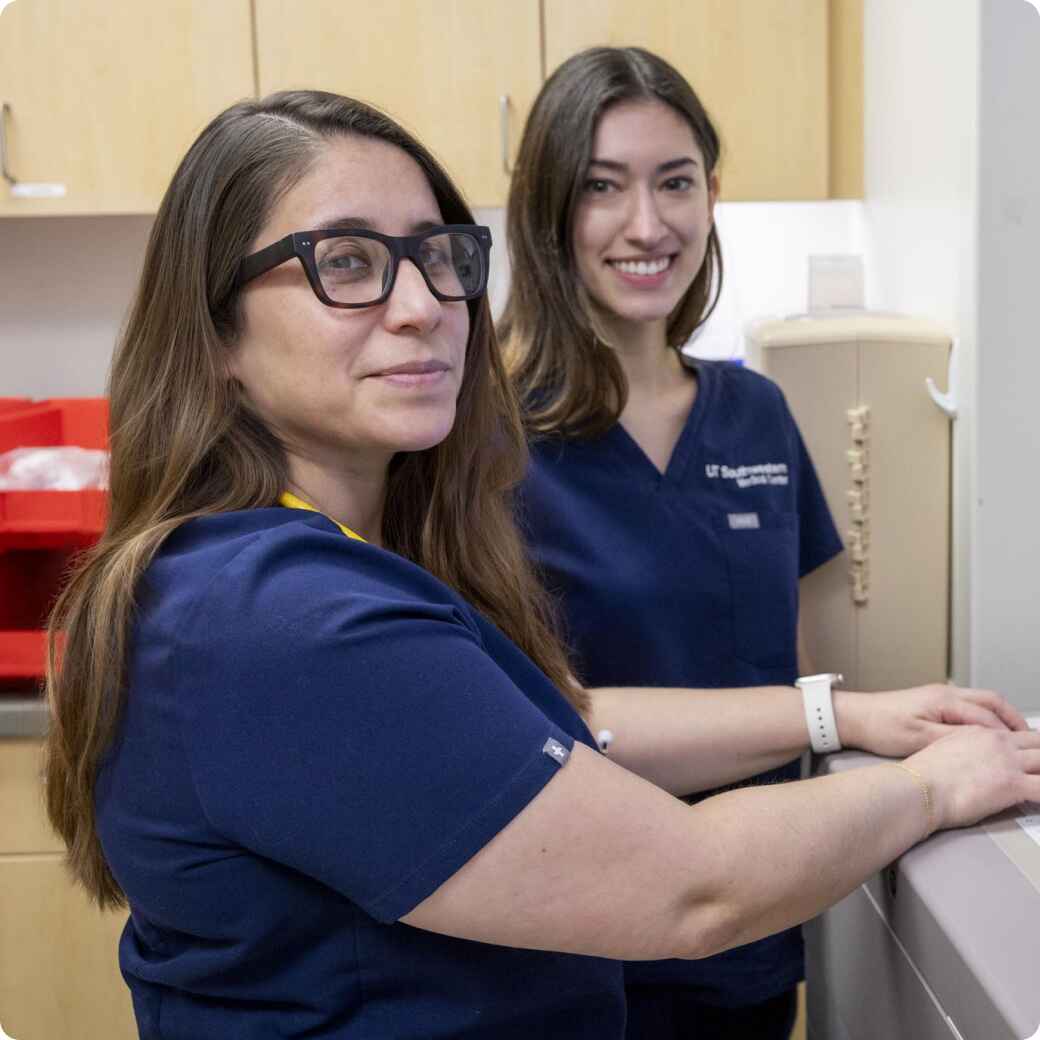
Two female nurses in blue scrubs working at a medical station in a hospital.

Acute Surgical Care

  • The Acute Surgical Care Units serve a diverse patient population across many surgical specialties, including:
    • Urology
    • Plastics
    • Otolaryngology (ENT)
    • Gynecology
    • Abdominal transplants
    • Orthopedics/spine
  • The typical nurse-to-patient ratio ranges from 1-to-3 to 1-to-5.
  • Bed capacity varies from 28 to 48 beds, depending on the specific floor.
  • These units are focused on providing acute postoperative care for patients across numerous surgical disciplines.
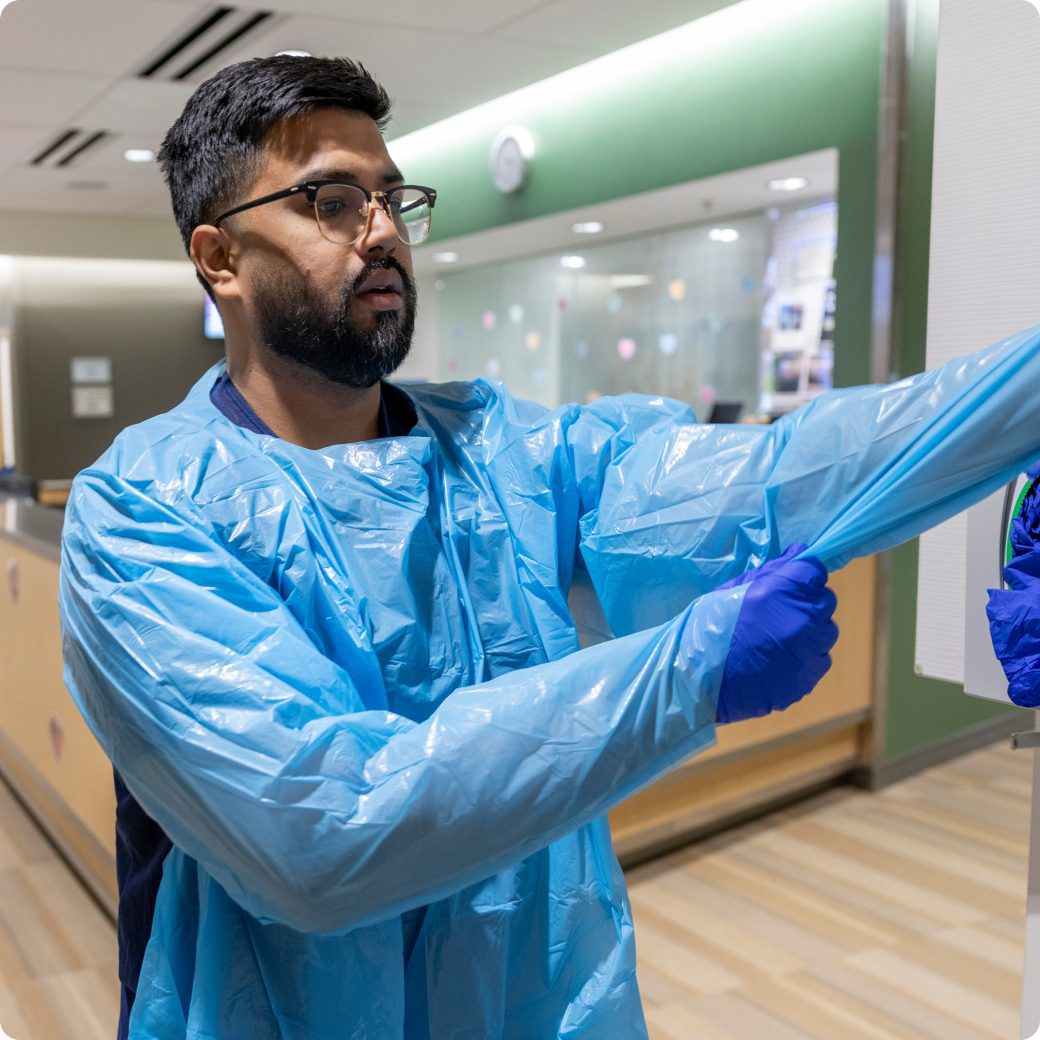
A nurse putting on a disposable blue gown and gloves in a hospital setting.

Emergency Department

  • The ED serves a highly diverse patient population, providing immediate care for a wide range of acute medical needs, including but not limited to:
    • Cancer patients
    • High-risk obstetrical cases
    • Ophthalmology emergencies
    • Pediatric patients
    • Psychiatric concerns
    • Research participants
    • Stroke and STEMI patients
    • Transplant recipients
  • The nurse-to-patient ratio is 1-to-4.
  • The ED has a capacity of 56 beds and 8 chairs.
  • The team is focused on collaboration, working closely with a multidisciplinary team.
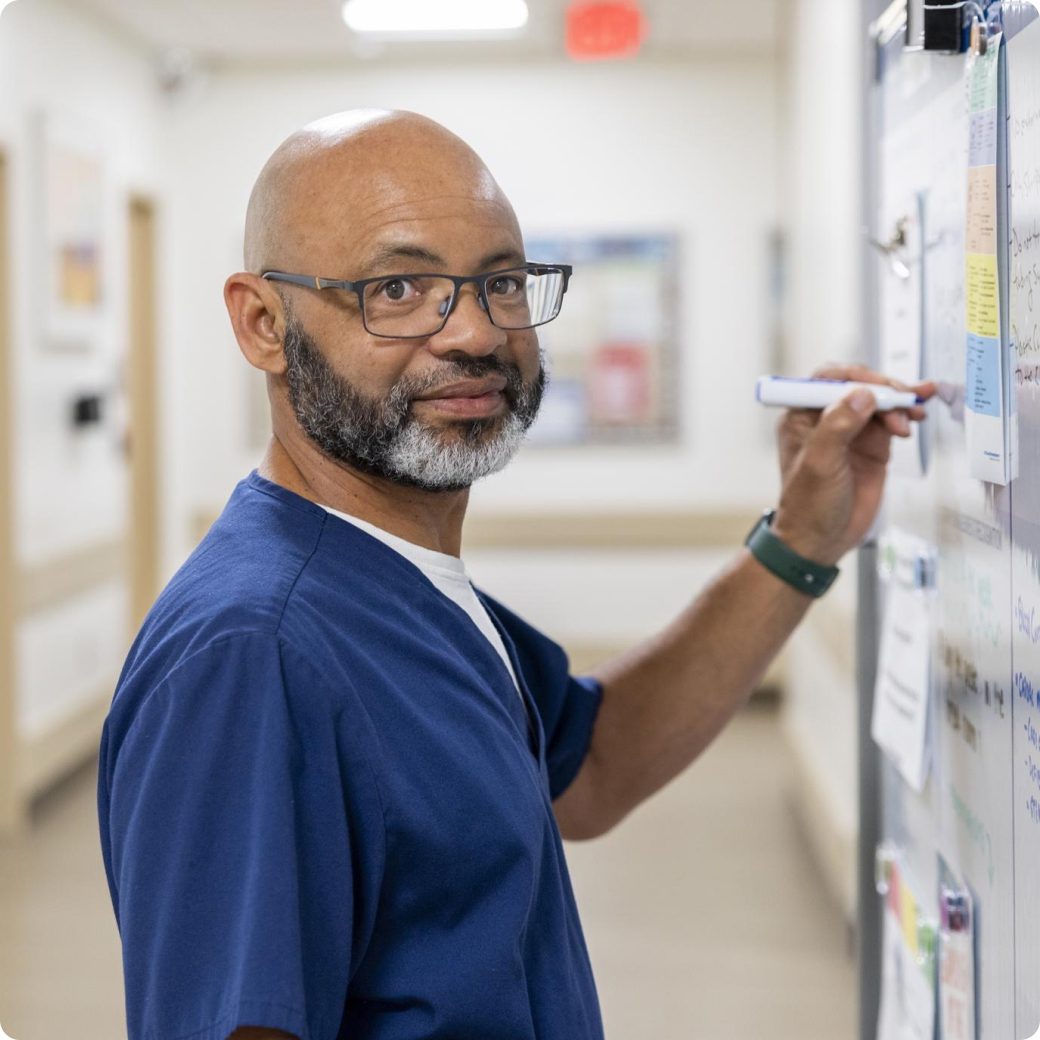
A male nurse in blue scrubs is looking at the camera while writing on a whiteboard.

Intensive Care (ICU)

  • The ICU provides critical care services to a highly acute patient population, including:
    • Individuals recovering from complex surgical and neurosurgical procedures
    • Patients with critical neurological and medical conditions
    • Patients requiring comprehensive stroke care
    • Individuals experiencing multi-system organ failure or sepsis
    • Patients receiving postsurgical cardiac and thoracic care
    • Other critically ill individuals
  • The nurse-to-patient ratio is maintained at either 1-to-1 or 1-to-2, based on individual patient needs.
  • The unit is comprised of 24 beds.
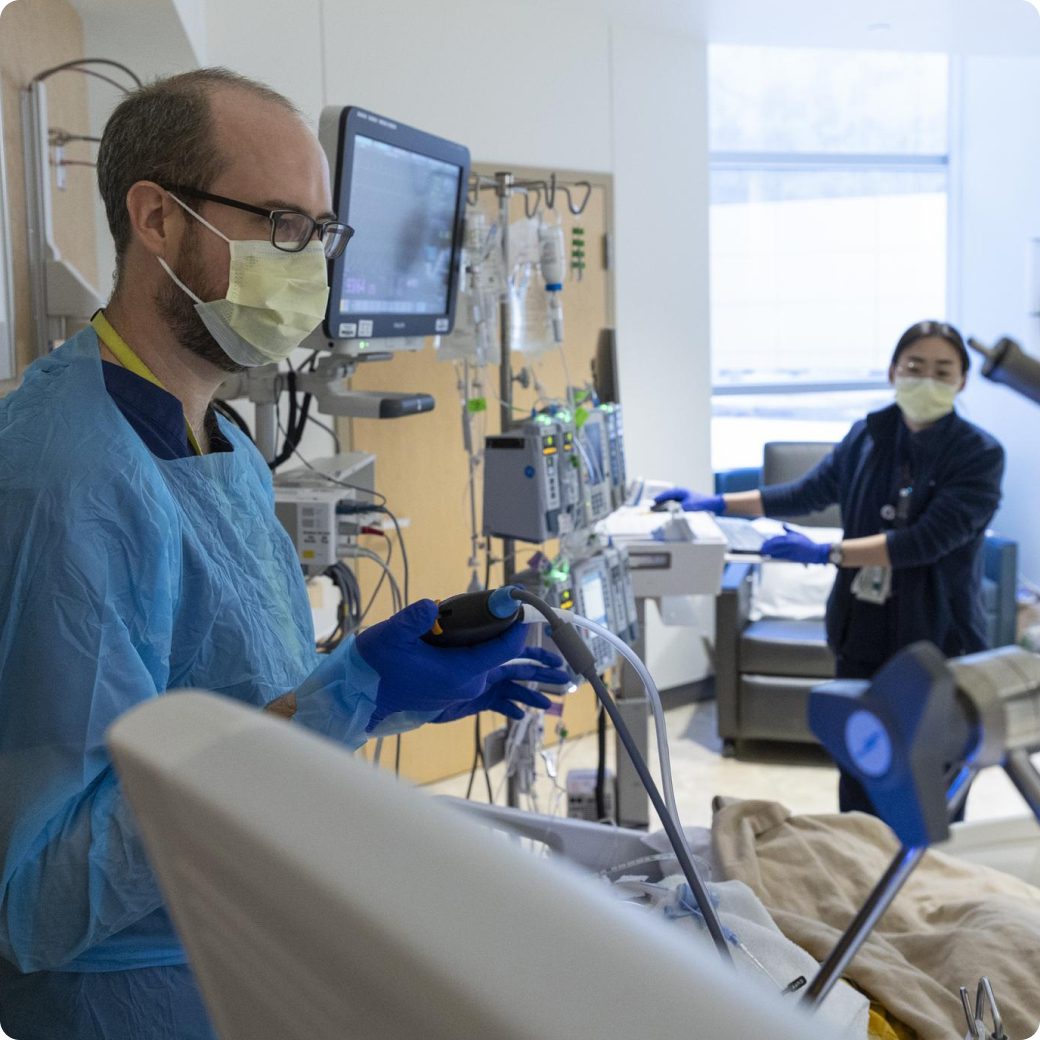
A male nurse in a mask, gown and gloves working with medical equipment in an ICU patient room.

Oncology Nursing

  • Our Oncology Nursing Unit specializes in providing comprehensive care for oncology patients, including:
    • Individuals undergoing bone marrow and stem cell transplants
    • Patients with hematologic malignancies
    • Patients with medical and hematology oncology diagnoses
    • Patients requiring end-of-life support
    • Patients with breast, gynecological, and surgical oncology needs
  • The typical nurse-to-patient ratio ranges from 1-to-3 to 1-to-5.
  • Each floor within the Oncology Unit has a capacity of 32 beds.
  • This unit is focused on delivering specialized care and support throughout a patient’s cancer journey.
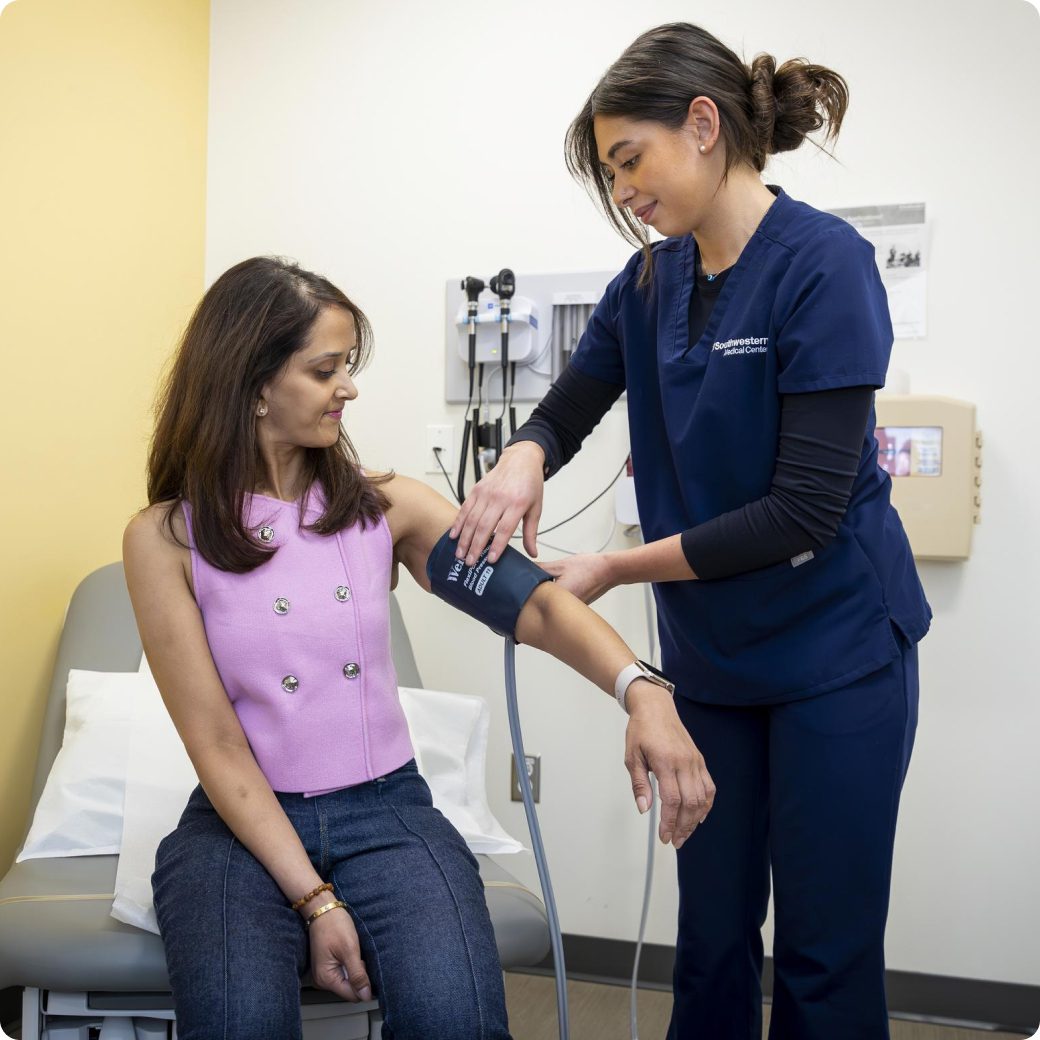
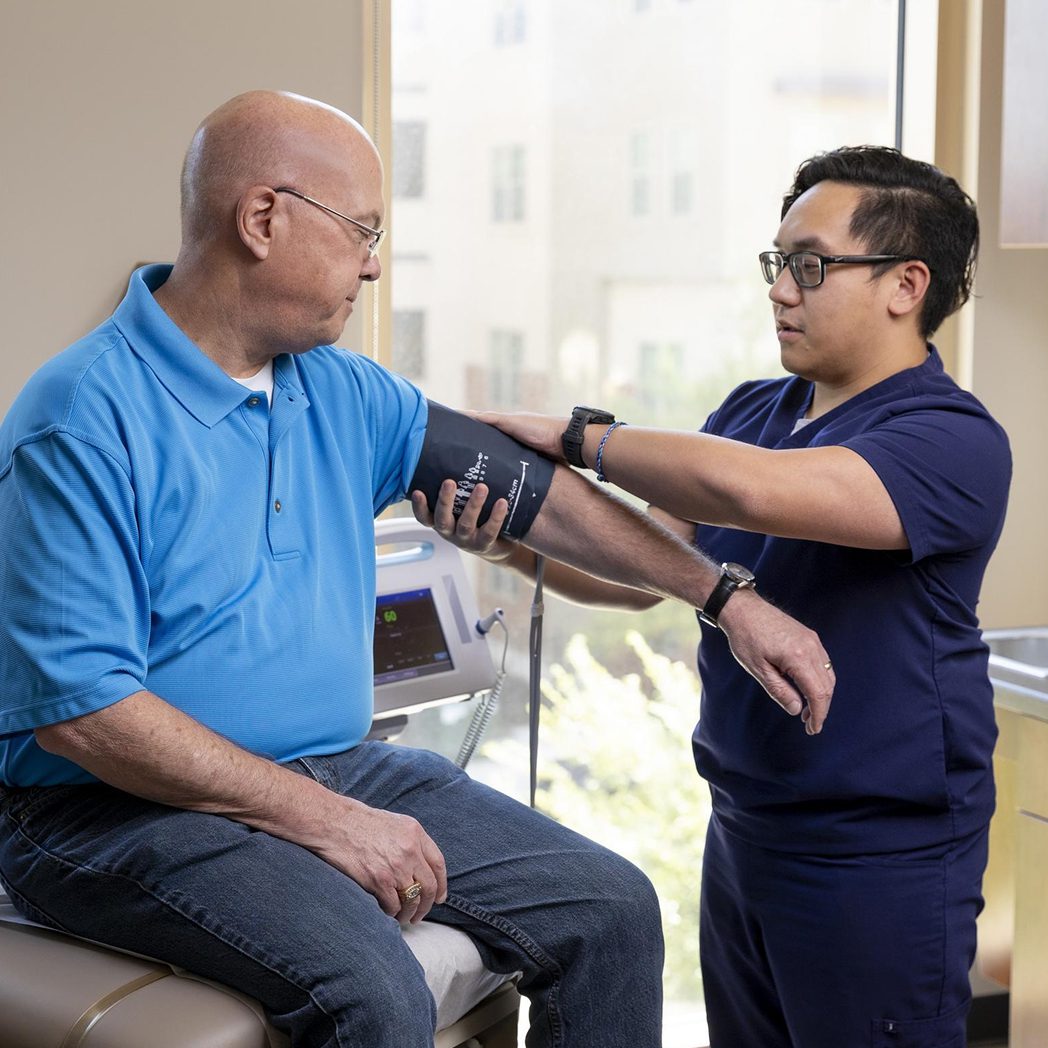
A nurse taking a seated patient's blood pressure in an examination room.

Prep/Recovery

The Prep/Recovery unit is a specialized area within the Medical-Surgical division focused on two key phases of a patient’s journey:

  • Patient Preparation: This involves physically and emotionally preparing patients for upcoming surgeries or medical procedures through:
    • Comprehensive pre-operative assessments
    • Patient education
    • Interventions to optimize patients for their scheduled event
  • Phase II Recovery Care: This is for stable patients ready for discharge after surgery or a procedure, focusing on:
    • Continued monitoring
    • Pain management
    • Education regarding home care
    • Facilitating a smooth and safe transition home.
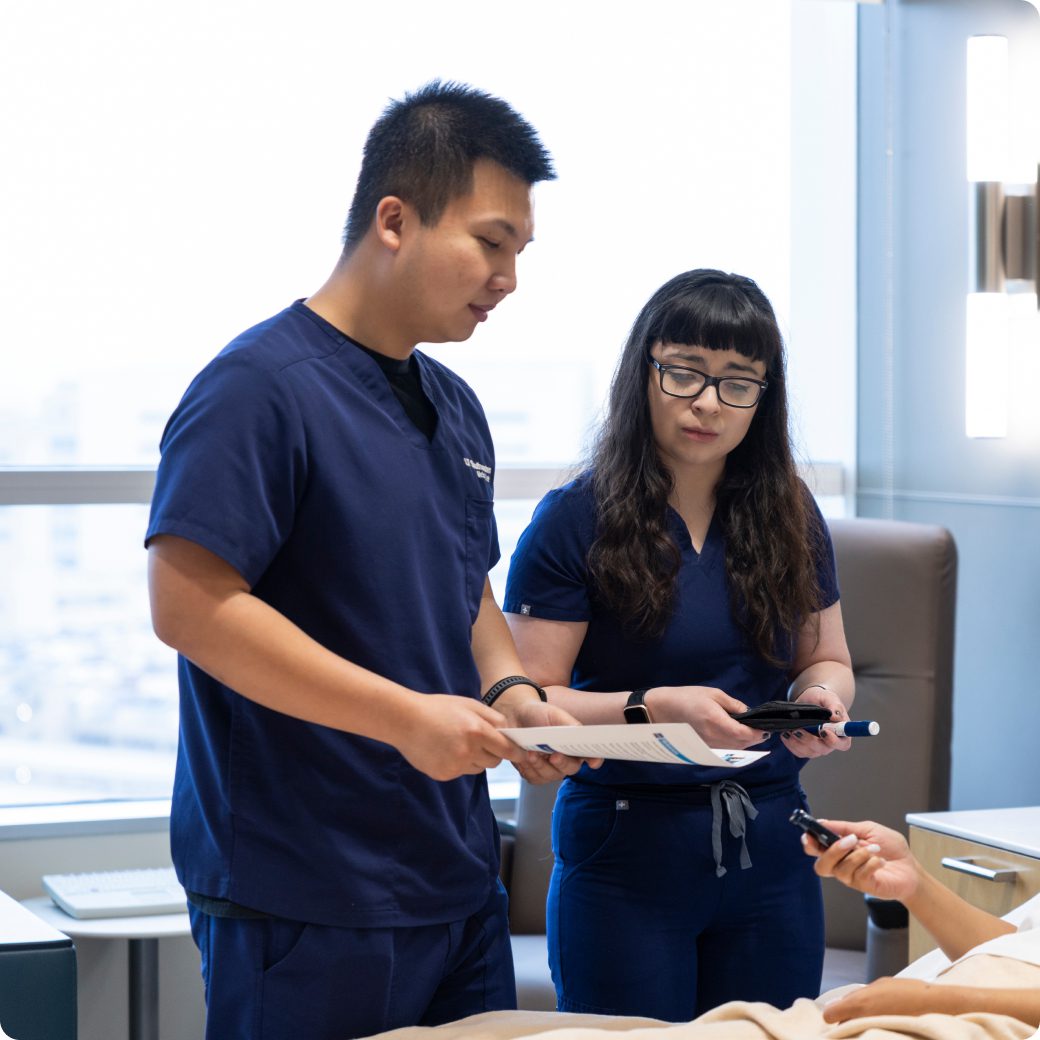
Two hospital nurses in blue scrubs discussing paperwork with a patient in a hospital room.

Progressive Care

  • The Progressive Care Unit is comprised of several specialized areas providing an intermediate level of care for patients with complex needs, including:
    • Acute stroke unit
    • Cardiovascular and thoracic surgery unit
    • Cardiac medical unit
    • Epilepsy monitoring unit
    • Pulmonary/telemetry unit
  • The typical nurse-to-patient ratio ranges from 1-to-2 to 1-to-5.
  • The unit has a capacity of 28 to 32 beds.
  • The overarching mission is to deliver compassionate care while ensuring thorough patient and family education to promote understanding of the healthcare journey.
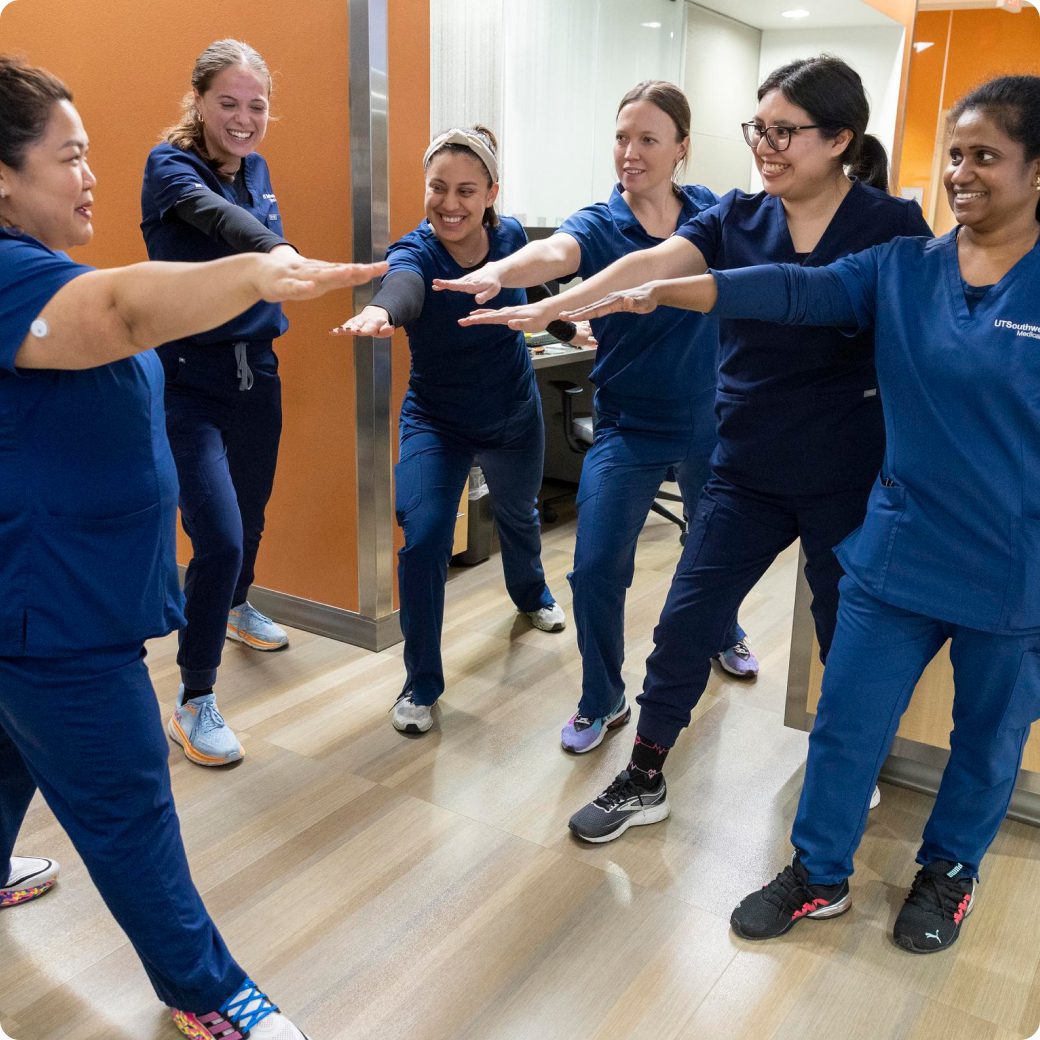
Six female nurses in blue scrubs having a team huddle with their hands in the middle in the hospital hallway.

Psychiatric Nursing

  • The Psychiatry Unit provides care for a range of psychiatric and substance use diagnoses, including:
    • Catatonia
    • Depression
    • Psychosis
    • Substance abuse
  • The inpatient unit focuses on acute stabilization and creating an environment conducive to healing.
  • The Psychiatry Unit has a bed capacity of 23 beds.
  • The nurse-to-patient ratio is 1-to-5 or 6.
 A female nurse in blue medical scrubs is smiling at the camera.

Rehabilitation Nursing

  • The Rehabilitation Unit provides specialized care for patients recovering from a wide range of conditions, with the goal of improving function and independence, including those with:
    • General debility
    • Multiple sclerosis
    • Oncology-related needs
    • Orthopedic injuries
    • Post-pulmonary or heart transplants
    • Pulmonary hypertension
    • Spinal cord injuries
    • Stroke
    • Traumatic Brain Injury (TBI)
    • Ventricular assist devices
  • The nurse-to-patient ratio in the rehab unit is 1-to-5.
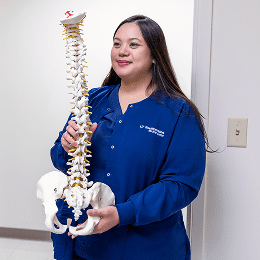
A female nurse in blue medical scrubs holding a life-size model of the human spine.

Surgical Services OR

Surgical Services includes Operating Room (OR) services at two distinct locations:

  • Zale OR: Focuses on patients undergoing orthopedics, spine,oral, and neurosurgery procedures.
    • Comprises 10 operating rooms.
    • Maintains a 1-to-1 nurse-to-patient ratio.
  • William P. Clements Jr. University Hospital (CUH) OR: Handles a broader range of surgical specialties, including cardiovascular and thoracic surgery (CVTS), transplant, urology, gynecology, ophthalmology, plastics, and more than 13 other specialties.
    • Has a larger capacity with 44 beds.
    • Operates with a 1-to-1 nurse-to-patient ratio.
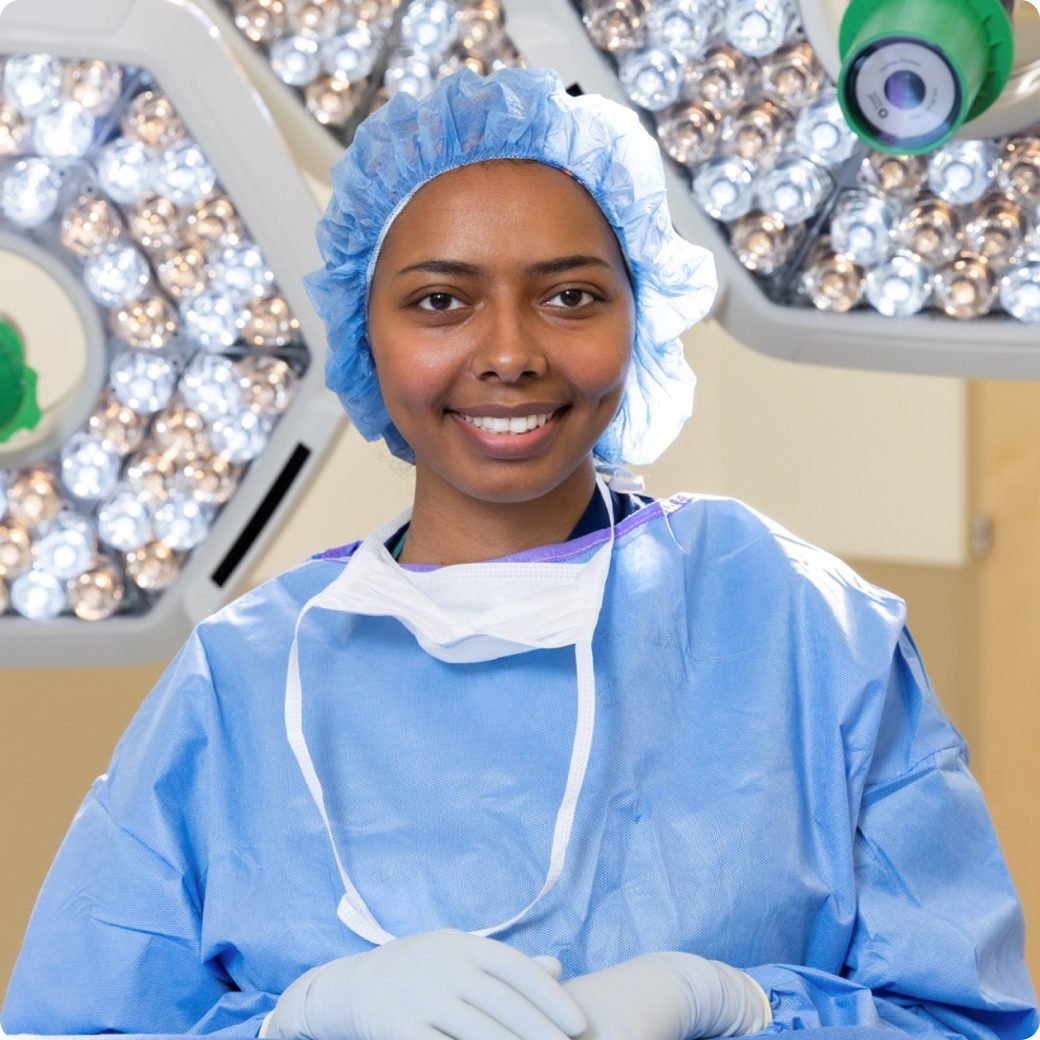
A female nurse in a blue surgical gown is looking at the camera, standing in an operating room.

Surgical Services PACU

The Post Anesthesia Care Unit (PACU) provides immediate postoperative care for patients recovering from anesthesia, with services structured at two locations:

  • Zale PACU: Cares for patients who have undergone orthopedic, spine, and oral surgeries.
    • Has 12 beds.
    • Maintains a nurse-to-patient ratio of 1-to-2.
  • CUH PACU: Serves a broader range of surgical patients, encompassing all surgical specialties.
    • Has a larger capacity with 50 beds.
    • Operates with a nurse-to-patient ratio of 1-to-2.
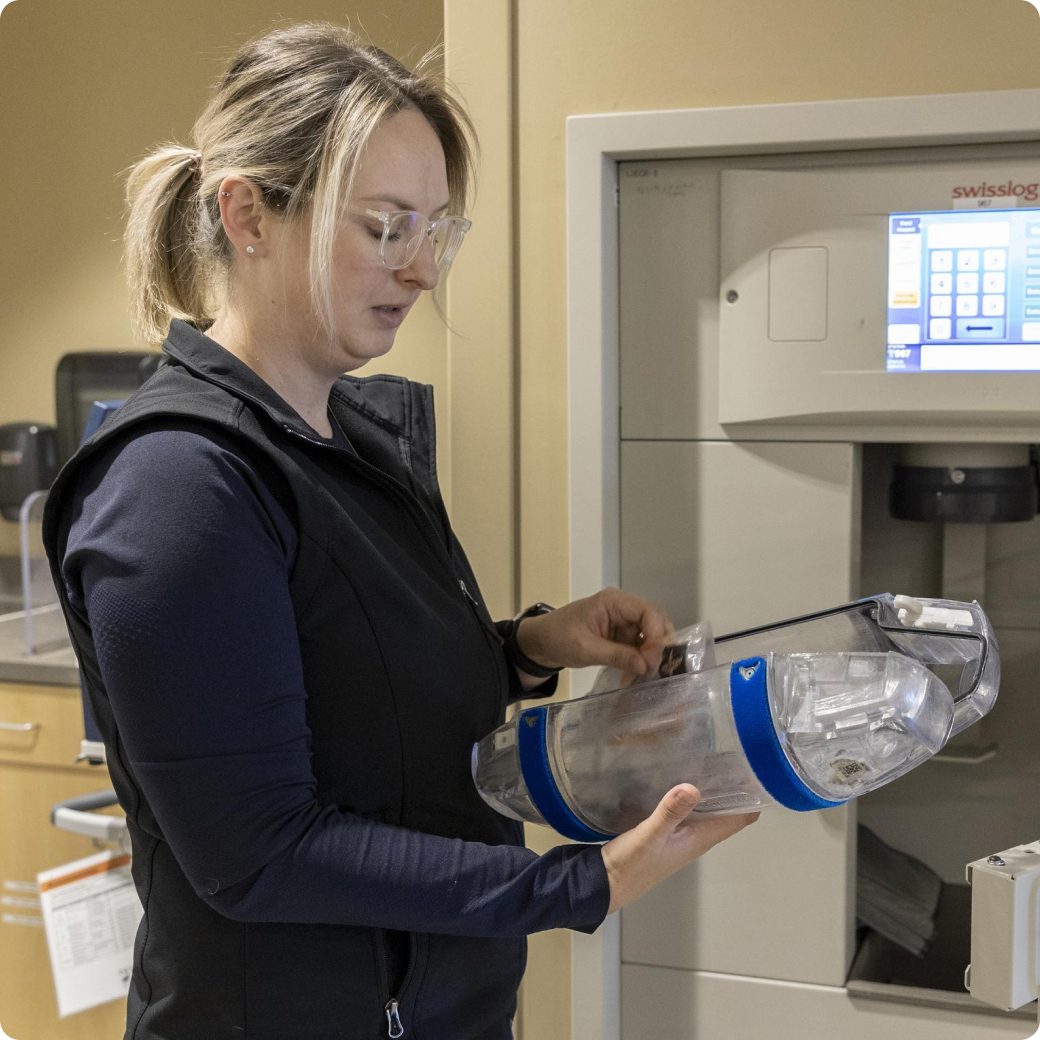
 A nurse placing a clear, blue-capped pneumatic tube system carrier into a Swisslog station in the PACU.

Women’s Services

  • Women’s Services provides comprehensive care related to childbirth and the postpartum period, including:
    • Labor and delivery services
    • Neonatal Intensive Care (NICU)
    • Postpartum care
  • Staffing in these units varies, with nurse-to-patient ratios ranging from 1-to-3 to 1-to-6.
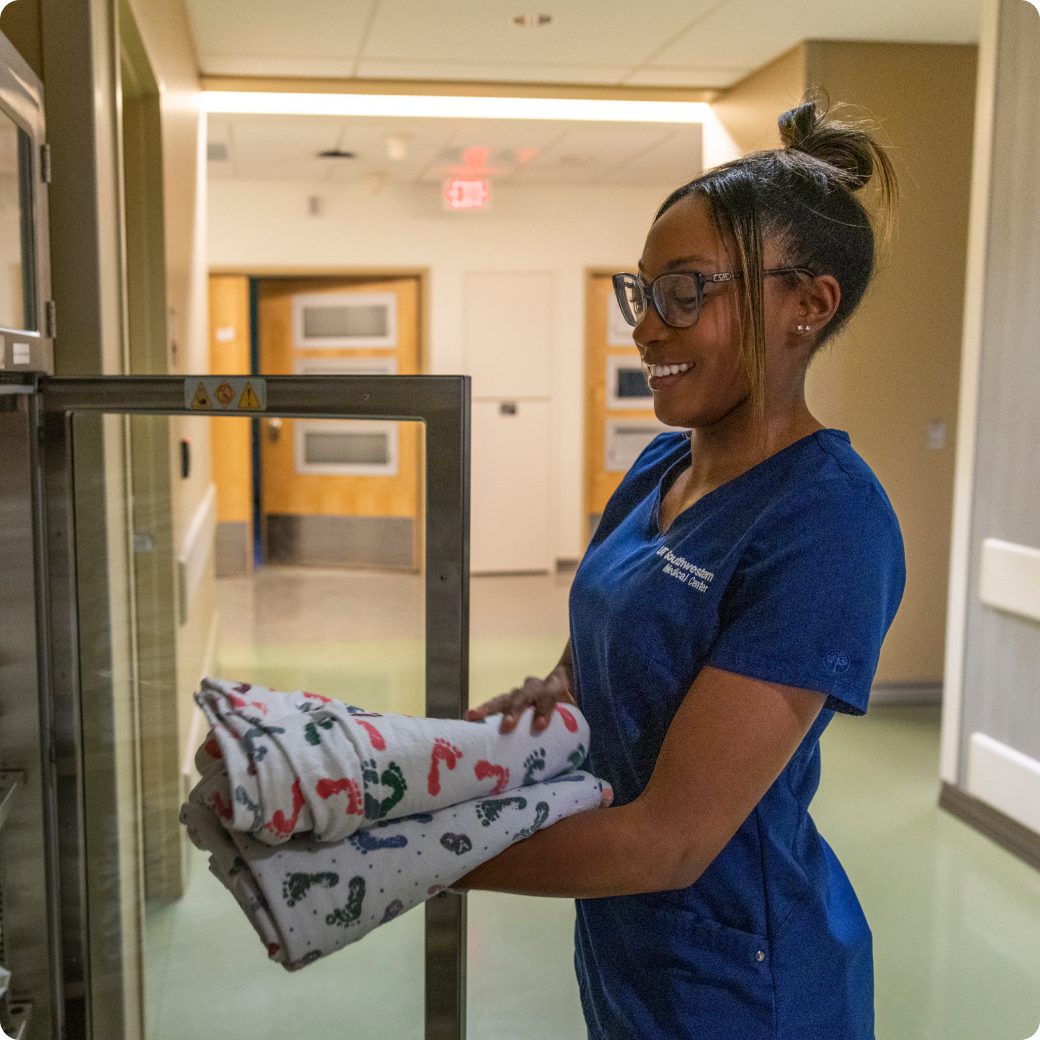
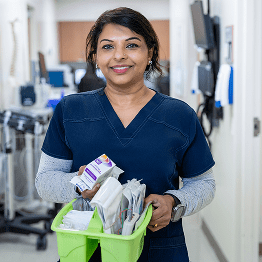
A smiling nurse in blue scrubs is taking a stack of folded blankets out of a warming cabinet in a hallway

A Great Place to Work, Officially

UT Southwestern is regularly recognized among the top places to work in Dallas-Fort Worth and the U.S. Here are just a few of the awards we’ve earned:
  • Magnet® Designation
  • Best WorkPlaces for Men in Nursing
  • Forbes’ list of America’s Best Employers For New Graduates
  • Best Places to Work – Dallas Business Journal
  • Corporate Citizen Award – LaunchAbility
  • Platinum Fit-Friendly Worksite Designation – American Heart Association
  • Best Places to Work Postdocs – The Scientist
  • Employer of the Year – Association for Independent Living
  • Celebration of Diversity Award Finalist – Ernst & Young and the Dallas
Arboretum
  • Mother-Friendly Worksite – Texas Department of State Health Services
  • Lex Frieden Employment Award – Texas Governor’s Committee on People with Disabilities
  • National Center for Healthcare Leadership
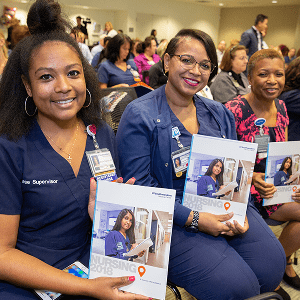
Three nurses sit together at an event, smiling and holding nursing reports, with other attendees seated in the background.

Employee Testimonials


Jenni Bates

placeholder
Jenni Bates, BSN, RN
CCOB Ambulatory Fellowship Program

The fellowship program has greatly benefited me by enabling a smooth transition from being an elementary school nurse to an oncology infusion nurse seamlessly. Changing specialties in nursing can be challenging, but the fellowship gave me the tools, time, and resources I needed to be successful.
 

Jenni Bates

placeholder
Jenni Bates, BSN, RN
CCOB Ambulatory Fellowship Program

The fellowship program has greatly benefited me by enabling a smooth transition from being an elementary school nurse to an oncology infusion nurse seamlessly. Changing specialties in nursing can be challenging, but the fellowship gave me the tools, time, and resources I needed to be successful.
  • Facebook
  • Twitter
  • Glassdoor
  • YouTube
  • Instagram

Navigation

  • Home
  • Why Work Here
  • Locations
  • Life in Dallas
  • Benefits
  • Job Search Results
  • Sitemap

Departments

  • Advanced Practice Providers
  • Allied Health
  • Faculty
  • Imaging Services
  • Information Technology
  • Nursing
  • Pharmacy
  • Professional Services
  • Research
  • Residencies & Fellowships

Quick Links

  • Patient Care
  • Research
  • Education & Training
  • Newsroom
  • About Us
  • UTSW Corporate Home

Address

6001 Forest Park Road
Suite NG3.111
Dallas, Texas 75235

Phone

214-648-9810

Annual Security Report (ASR)

This position is security-sensitive and subject to Texas Education Code 51.215, which authorizes UT Southwestern to obtain criminal history record information.

UT Southwestern Medical Center is committed to an educational and working environment that provides equal opportunity to all members of the University community. As an equal opportunity employer, UT Southwestern prohibits unlawful discrimination, including discrimination on the basis of race, color, religion, national origin, sex, sexual orientation, gender identity, gender expression, age, disability, genetic information, citizenship status, or veteran status.
©2024 UT Southwestern Medical Center | All Rights Reserved

Opens in a new window

  • Patient Rights
  • Open Records
  • Privacy Policy
  • Site Policies
- powered by Enfold-Hodes-Accessible WordPress Theme
We use cookies to improve and personalize your experience and to analyze website performance and traffic. Please see our Cookie Policy for a description of how we use cookies or to manage your settings. Accept
Scroll to top